
Formwork is way more than a temporary construction aid—it is a kind of base decision that kind of steers your project’s schedule, money flow, surface appearance, and long-term profitability. Whether you’re a contractor overseeing a high-rise build or a project manager, looking at materials for a repetitive housing set, the call between aluminum slab formwork and polypropylene (PP) templates has ripple effects that stack across every pour, every floor, and pretty much every phase.
This article tries to give a full, side-by-side comparison of aluminum slab formwork and PP templates, including material properties, structural performance, cost dynamics, surface finish, sustainability, and real-world application suitability. The goal is so you can pick what works best, with a careful, evidence-driven procurement decision rather than guesswork.
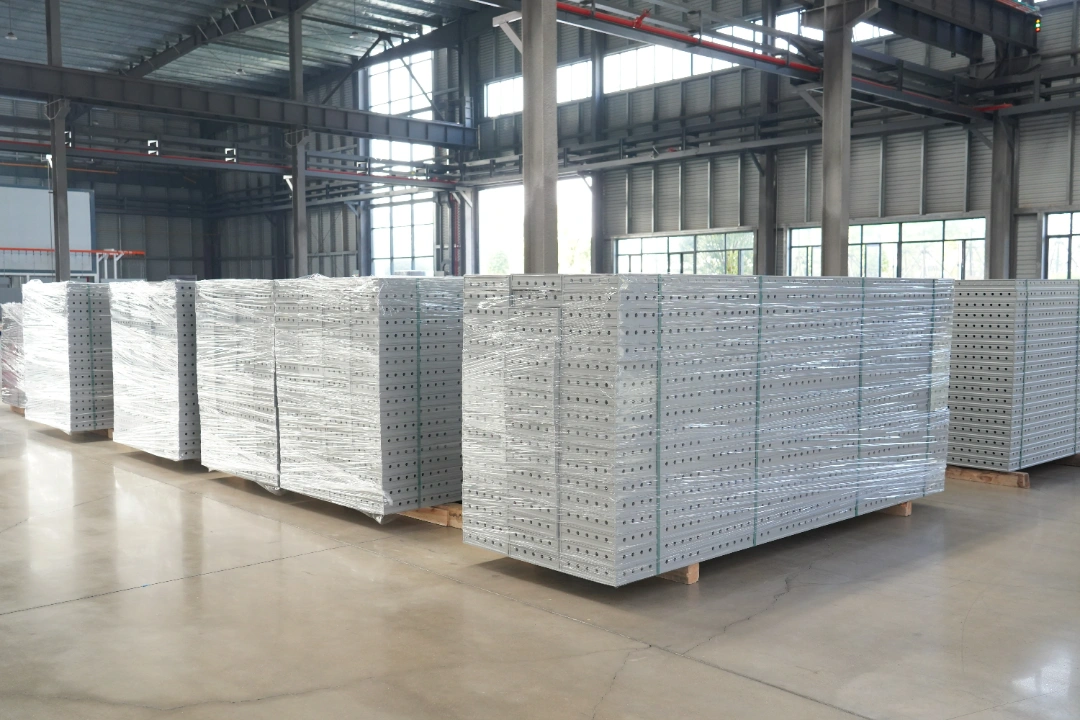
Aluminum slab formwork is basically a construction system put together from high-strength aluminum alloy panels, made to deliver accuracy, speed, and a pretty high level of repeat use. These panels are either custom-fabricated, or produced in standardized sizes, then joined using a pin and wedge locking idea that keeps everything seated properly. In practice, the setup often covers wall panels, slab decks, beams, adjustable props, plus steel accessories—so contractors can pour concrete all at once and still get monolithic walls, columns, and slabs in one continuous operation.
Key structural features include:
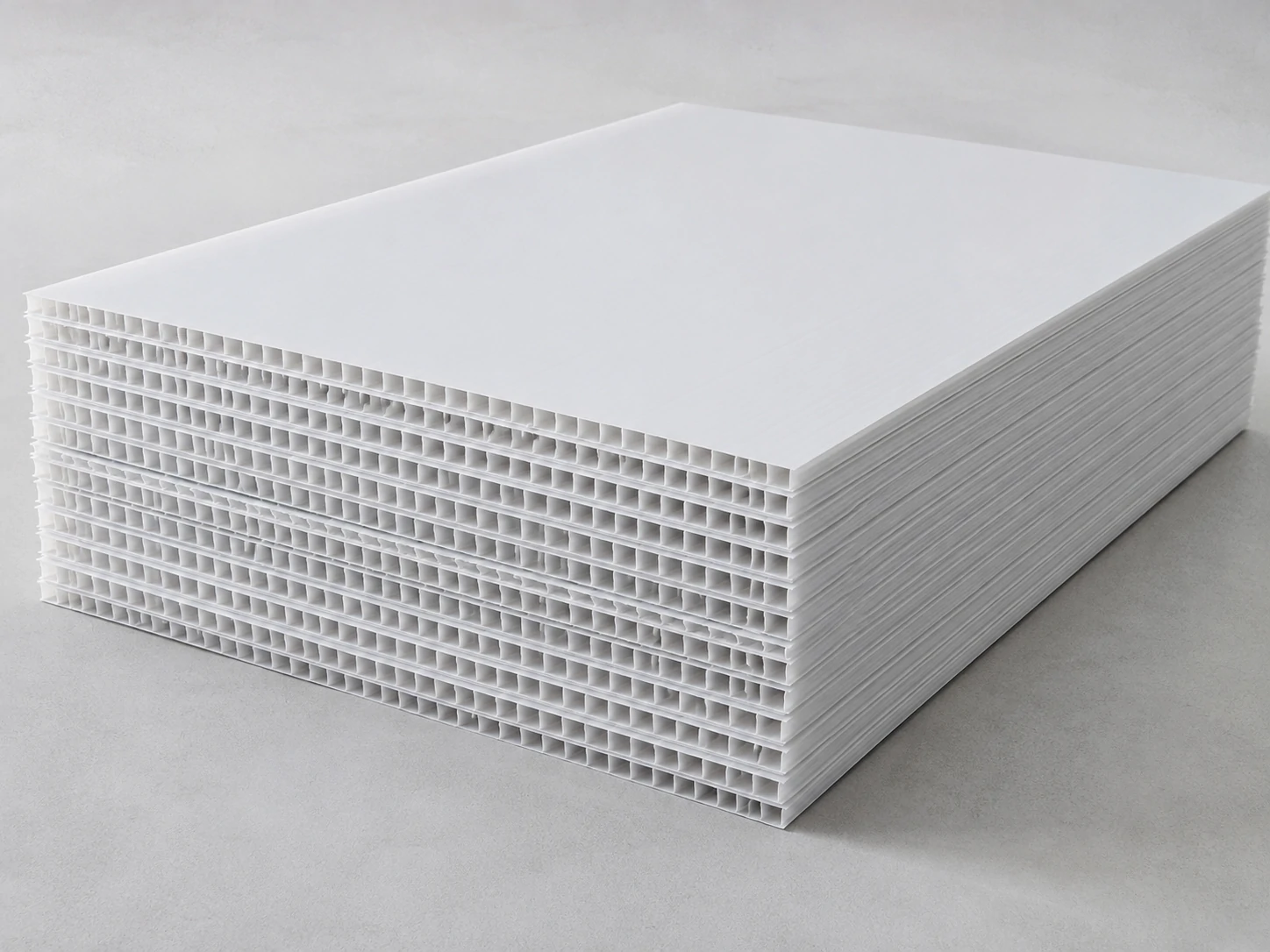
PP(polypropylene) templates are basically lightweight plastic formwork panels, made out of thermoplastic polymers. They are modular boards, easy to carry around, and for everyday setup, typically do not need skilled crew members. Their primary appeal lies in low initial cost and low weight, making them accessible for smaller projects or budget-constrained scenarios.
The key things people usually list about PP templates:
Aluminum formwork has an inherently different performance class for load capacity and structural strength. Its tensile resistance and rigidity allow it to safely support vertical and horizontal elements simultaneously. So it becomes the usual, almost default option for high-rise buildings, bridges, commercial complexes, and heavy-load slabs.
Meanwhile, PP templates, even if they're adequate for smaller projects, can deform or start to buckle under elevated pressure or in tricky concrete placement. The risk of deflection along panel edges is a documented concern, particularly under thermal stress or when poured concrete volumes exceed the template's rated capacity. In projects, the whole point is safety, regulatory alignment, and long-term structural durability, and then the decision is straightforward.
This is where the economic case for aluminum becomes decisive:
| Parameter | Aluminum Slab Formwork | PP Template |
|---|---|---|
| Average reuse cycles | 200–300+ | 30–100 |
| Quality degradation | Minimal | Warping, chipping, cracking |
| Cost per use | Very low (amortized) | High (frequent replacement) |
| Repairability | Yes (weld, reshape) | Limited |
| End-of-life value | High (scrap aluminum) | Low (degraded plastic) |
Aluminum formwork can run about 2–3 times more upfront than PP templates, yet if dividing cost across the entire use cycle, the real per-use price of aluminum becomes dramatically lower. A contractor doing multi-story or multiple-site projects might buy those aluminum panels once and can use them for years, or even decades, across hundreds of pours.
Aluminum delivers a smooth, steady concrete face that frequently eliminates extra plaster work. Because of the highly dimensional accuracy of aluminum panels, the joints stay tight, leakage risks are reduced, and the surfaces come out of the mold with a steady texture, plus good flatness.
PP templates produce acceptable surfaces for basic applications, but visible panel seams, edge deflection, and surface texture inconsistencies are more common. Because of that, extra finishing effort is usually needed, which increases overall cost and also stretches the post-pour schedule. In large-scale residential projects or commercial builds where a consistent surface is part of the handover expectation, this gap is really important commercially.
The aluminum system is designed for quick assembly and dismantling. Using standardized panels with easy-to-use locks, trained workers can quickly assemble entire floors, and the accuracy with which these panels fit each other is preserved since aluminum panels maintain their stability even after much previous use.
One feature of aluminum that provides great advantages is its ability to be used in the monolithic pouring process, whereby walls, slabs, and columns are poured together in one casting procedure. The result is a significant reduction in the cycle time of construction—up to 20-30% faster than using PP templates, as was demonstrated in urban housing projects.
PP templates, although lightweight, do not provide an exact fit like aluminum systems. Warping over time introduces misalignment, requiring additional bracing, monitoring, and adjustment during pours.
Temperature extremes show a meaningful difference between the two materials. Aluminum keeps its mechanical behavior over a broad temperature range and is basically unaffected by freezing conditions. The PP templates tend to become brittle in cold weather and are susceptible to cracking under impact or thermal shock. Because of that, their overall reliability is limited for winter construction timelines or for work in cold-climate regions.
| Factor | Aluminum Slab Formwork | PP Template |
|---|---|---|
| Base material | High-strength aluminum alloy | Polypropylene thermoplastic |
| Typical panel weight | 18–25 kg | 5–10 kg |
| Reuse cycles | 200–300+ | 30–100 |
| Load-bearing capacity | High | Limited |
| Surface finish quality | Smooth, plaster-ready | Moderate, seams visible |
| Cold weather suitability | Excellent | Poor (brittle) |
| Initial cost | High | Low |
| Long-term cost per use | Very low | High |
| Recyclability | 100% (scrap aluminum) | Partial (limited quality) |
| Repair potential | Yes | Rarely practical |
| Complex structure suitability | High (custom fabrication possible) | Low |
| High-rise suitability | Yes | No |
| Monolithic pour compatibility | Yes | No |
| UV degradation risk | None | Moderate |
The ROI calculation for aluminum formwork becomes favorable well within the first major project. Consider a multi-story residential development requiring 50 pour cycles across its construction timeline. An aluminum system amortized over 250 total uses means only 20% of its total lifecycle cost is consumed. The remaining 80% of value carries forward into subsequent projects.
By contrast, a PP template system rated for 50 uses is fully consumed at the end of the same project—requiring complete repurchase for the next build. When finishing labor savings, reduced rework, and scrap aluminum resale value are factored in, the total cost of ownership for aluminum consistently outperforms plastic across professional construction contexts.
Aluminum is one of the most recyclable industrial materials in existence. At end of life, aluminum formwork panels retain significant scrap value and can be fully recycled without material degradation—supporting a genuine circular use model. On site, aluminum's precision eliminates the waste associated with on-the-fly cutting or adjustments. Damaged panels can often be repaired rather than discarded.
PP templates, while technically recyclable, present more complex environmental outcomes. Not all polypropylene blends are accepted at standard recycling facilities, and recycled plastic from construction use typically cannot be redeployed in high-stress applications. The limited reuse cycle means more frequent disposal events, and damaged panels often end up in landfills.
For projects pursuing LEED certification, green building ratings, or corporate sustainability commitments, aluminum formwork aligns more naturally with environmental responsibility goals.
| Project Type | Recommended Choice | Notes |
|---|---|---|
| High-rise residential (5+ floors) | Aluminum slab formwork | Monolithic pours, speed, finish quality |
| Mass housing / repetitive floor plates | Aluminum slab formwork | High reuse value across identical floors |
| Infrastructure (bridges, tunnels, retaining walls) | Aluminum slab formwork | Structural load requirements |
| Commercial towers and complexes | Aluminum slab formwork | Precision, scale, compliance |
| Low-rise structures (1–3 floors) | PP template (viable) | Lower load demands; budget consideration |
| One-off pours / simple jobs | PP template (viable) | Single-use economics may apply |
| Cold-climate construction | Aluminum slab formwork | PP brittle in freezing temperatures |
| Budget-limited small projects | PP template | Upfront cost advantage only |
In the end, the decision about whether to use aluminum slab formwork or PP templates will depend on the scope, grandeur, and longevity of your construction project. If you are doing one project and then going elsewhere, PP templates might be the way to go. However, if you are a professional team of construction workers working on multi-story, multi-phased, or multi-project operations, there is no denying that aluminum slab formwork is superior in every single aspect possible.
Aluminum slab formwork is not just a better material; it is a better investment choice that will benefit you on all fronts. Explore CIEZN's aluminum formwork systems to see how precision engineering translates into real-world construction gains.
Phone: +8618711321769
Email: alame.vicky@gmail.com
WhatsApp: +8615400055585
Address:No.88, Shuntian Avenue, Xiangyin District, Xiangjiang New District Hunan Province

 EN
EN
 RU
RU
 AR
AR
 ES
ES