
Modern construction sites often face a hidden complexity behind simple column design. A common real-world construction scenario involves projects with multiple column sizes across different floors or functional zones. A frequent misconception assumes that columns are purely repetitive and easy to standardize. The reality is that modern buildings require significant design flexibility to accommodate architectural diversity and structural optimization. This operational challenge introduces a core question: Can a single formwork solution adapt to constantly changing column dimensions?
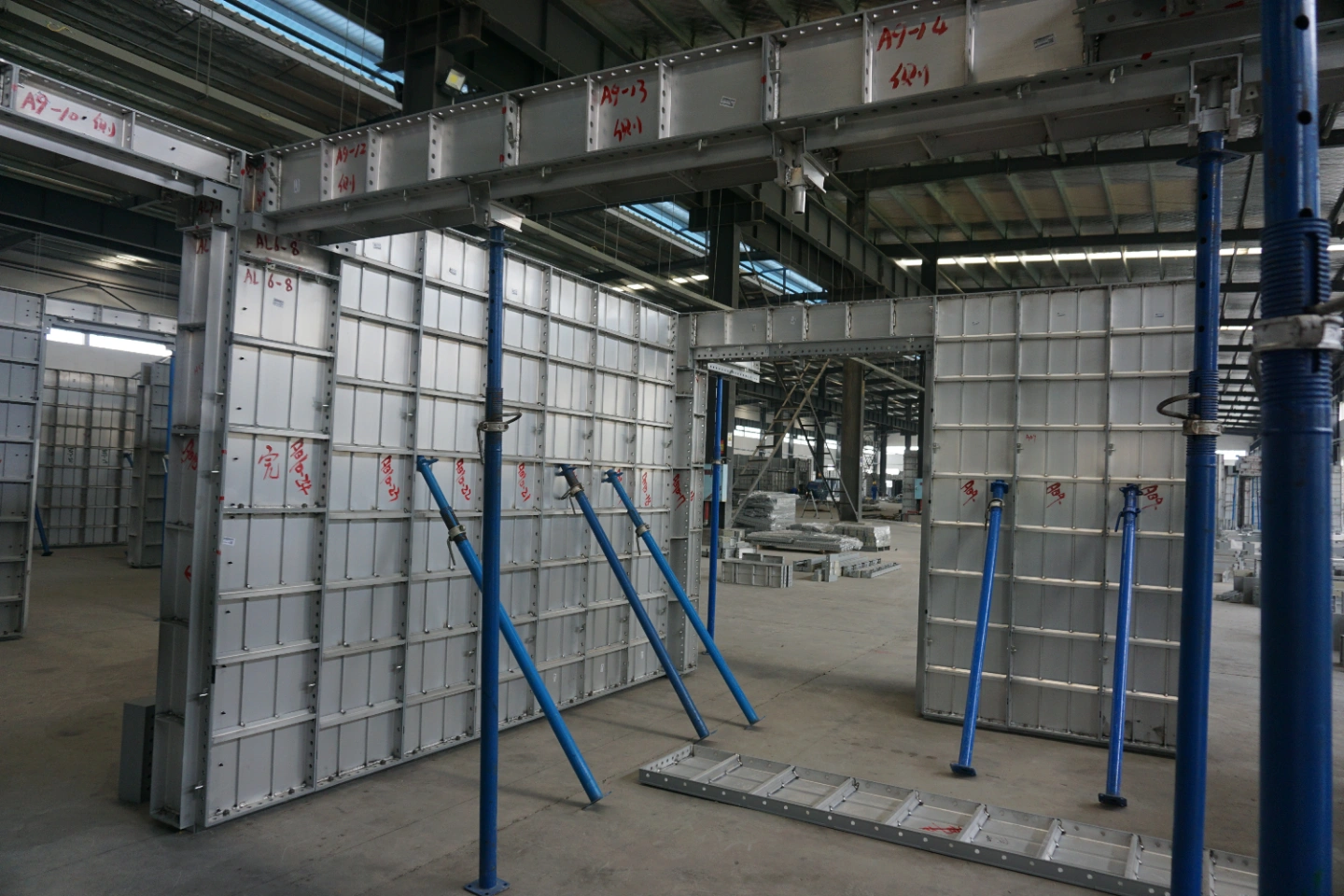
Fixed column formwork struggles to meet the demands of contemporary projects. Building designs have evolved significantly over the past decade. We see a clear transition from uniform layouts to complex mixed-use, high-rise, and irregular structures. This evolution results in an increasing variation in column cross-sections across different floors.
Traditional fixed-size formwork has distinct limitations in this dynamic environment. Contractors must purchase and manage multiple sets of molds to accommodate different column sizes. This requirement leads to several operational bottlenecks. Companies face higher procurement costs. Site managers deal with severe storage and logistics complications. Construction crews also endure frequent on-site adjustments.
The overall project impact is severe. Builders experience reduced efficiency in fast-track construction schedules. Teams also face an increased risk of dimensional errors and material waste.
Adjustable square column formwork provides a dynamic solution to these industry challenges. It operates as a modular aluminum formwork system equipped with adjustable panels or telescopic mechanisms. This specific design allows for the quick resizing of column dimensions within a defined range.
The system relies on several core components:
This approach differs significantly from standard systems. It completely eliminates the need for multiple dedicated formwork sets. Furthermore, the system enhances adaptability without compromising structural integrity.
The primary benefit of an adjustable system is design flexibility. The formwork easily adapts to variable column grids. It is highly suitable for complex projects. These projects often feature changing floor layouts. They may include specialized transfer floors. They also routinely handle mixed structural loads.
This profound adaptability actively supports architectural creativity. The system enables architects to design freely without being constrained by formwork limitations. From a procurement perspective, this provides a strong buyer insight. The adjustable system is ideal for developers managing multi-phase or design-evolving projects.
Adjustable formwork dramatically reduces the need for large equipment inventories. A strict comparison between traditional and adjustable systems highlights this benefit. Fixed formwork requires multiple size sets for a single project. In contrast, an adjustable system covers multiple dimensions with just one framework.
This reduction has a profound impact on project logistics. Logistics managers benefit directly from a reduced transportation volume. Site operators enjoy lower storage requirements on-site. The financial implication is equally significant for the bottom line. Companies achieve a much lower upfront investment in formwork inventory. Furthermore, they secure a better utilization rate across different projects.
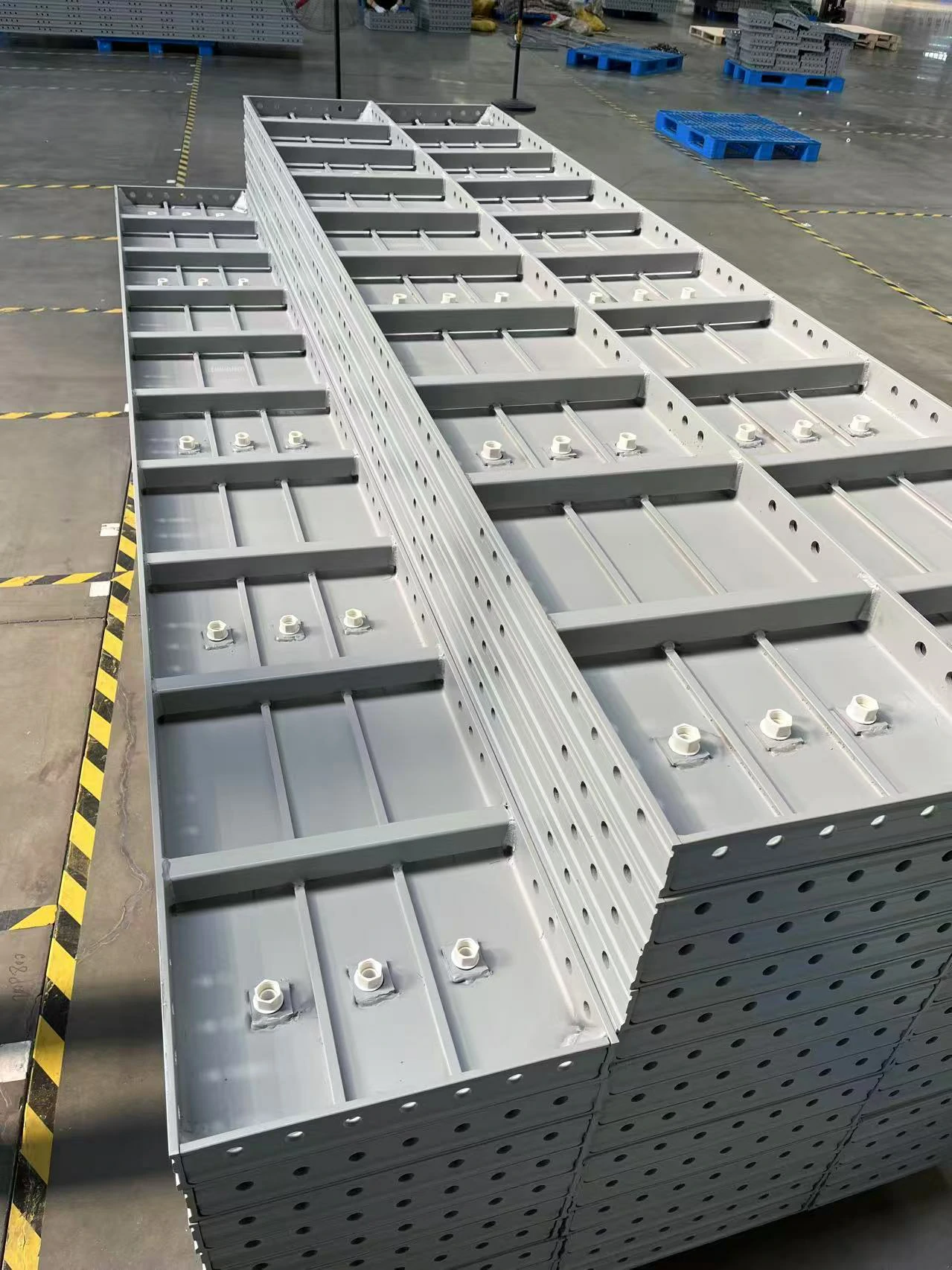
Speed is critical in international construction, and adjustable systems deliver faster on-site adaptation. The system relies on a powerful time-saving mechanism. Workers perform a quick adjustment instead of dismantling and replacing panels entirely. This streamlined process leads to significantly reduced downtime between pours.
This rapid speed improves overall labor efficiency. The intuitive design offers simplified training requirements for new workers. Construction firms benefit from a lower dependency on highly skilled, specialized labor. The real-world benefit is undeniable. This efficiency helps maintain tight construction schedules in large-scale developments.
Financial management requires a strict focus on improved cost control across the project lifecycle. Adjustable formwork excels from this long-term lifecycle perspective. The core advantage is its proven reusability across varying column dimensions and multiple projects.
This high reusability creates several cost-saving channels. Projects generate substantially reduced material waste. Maintenance teams experience lower repair and modification costs. Procurement departments see a decreased need for additional purchasing. From an ROI perspective, the financial case is incredibly strong. The system offers a faster payback period compared to traditional fixed systems.
Quality assurance is paramount in high-end development, and adjustable systems deliver consistent concrete quality. The engineered formwork guarantees high structural precision. It consistently maintains dimensional accuracy despite frequent on-site adjustments.
The system also produces an excellent surface finish quality. The resulting smooth concrete surfaces reduce or entirely eliminate the need for subsequent plastering. This mechanical reliability contributes to overall risk reduction. A secure locking mechanism minimizes alignment errors and prevents concrete leakage during pouring.
Certain demanding project types benefit immensely from these adaptable solutions. High-rise residential buildings with repeating but varying layouts represent a primary application. Commercial complexes with mixed-use floors also heavily require this flexibility. Infrastructure projects requiring non-uniform column dimensions are excellent candidates. Finally, complex international projects with evolving design requirements gain maximum value from adjustable formwork.
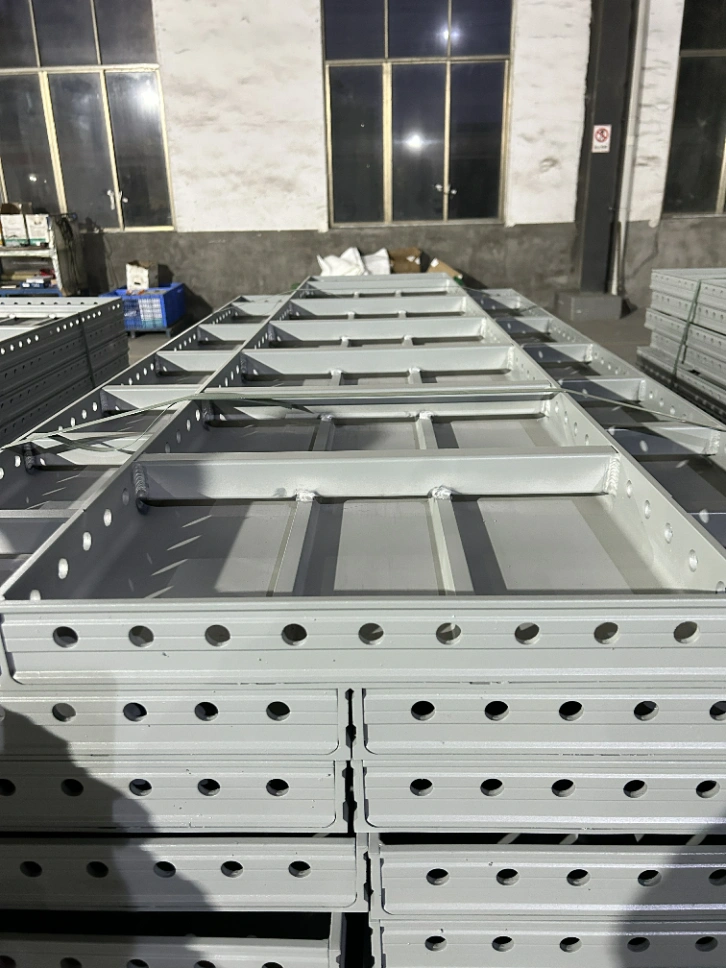
Smart buyers must evaluate several key considerations before selecting a system. First, they must assess adjustment range limitations. Buyers need to ensure the selected system accurately covers the required column size spectrum for their specific project. Second, independent structural strength verification is crucial. Engineers must confirm the load-bearing capacity for various different configurations.
Third, the ease of operation heavily matters on the active job site. Site managers should evaluate the adjustment mechanism for both mechanical simplicity and worker safety. Finally, the supplier engineering capability is a defining success factor. Buyers must recognize the critical importance of technical support and customized solutions from their manufacturing partner.
CIEZN TECH stands out as a premier global provider of high-performance adjustable column formwork solutions. The company successfully utilizes an engineering-driven design approach. The dedicated engineering team develops fully customized solutions based strictly on project drawings.
CIEZN TECH products possess distinct, market-leading product strengths. The formwork features a highly durable, high-strength aluminum alloy structure. The modern factory employs precision manufacturing for consistent, reliable performance. The end result is a highly modular and completely reusable system design.
The company also provides exceptional, end-to-end service advantages. The expert technical team assists with detailed layout design and optimization. Strict production and rigorous quality control protocols govern the entire manufacturing process. Furthermore, CIEZN TECH provides dedicated technical support specifically tailored for international projects. For professional specifications and integration details, explore the comprehensive CIEZN Aluminium Formwork System.
The global construction industry anticipates a continuous shift toward adaptive formwork systems. Market analysts consistently observe a growing demand for flexible construction systems. This rising demand perfectly aligns with the integration of adjustable formwork with BIM (Building Information Modeling) and digital construction planning. Ultimately, adjustable systems will firmly serve as a key component of modern industrialized building methods.
We must actively reframe the initial title question. The market reality is not truly “one size fits all,” but rather that one highly adaptable system fits multiple needs. The final takeaway for project managers is clear. Adjustable square column formwork effectively provides structural flexibility, operational efficiency, and strict cost control. We strongly encourage global contractors and developers to proactively seek customized solutions and professional consultation for their upcoming projects.
Traditional formwork requires unique, fixed-size molds for every distinct column dimension on a project. Adjustable formwork uses modular panels and locking mechanisms to expand or contract, allowing a single system to cast multiple column sizes.
No. High-quality adjustable systems use high-strength aluminum alloys and robust locking pins or wedges. These maintain strict dimensional accuracy and handle high concrete pouring pressures without bowing or leaking.
Yes, primarily through inventory reduction and lifecycle reuse. While the initial procurement cost of aluminum formwork might be higher than standard timber, the elimination of multiple mold sets, faster pouring cycles, and reusability across hundreds of pours result in a much faster ROI.
Projects with changing structural loads or floor plans gain the most value. This includes high-rise residential towers, mixed-use commercial developments, and complexes with distinct transfer floors where column dimensions naturally taper or shift.
The system requires minimal specialized training. Because it relies on standard modular connections (pins, wedges, and corner connectors) rather than complex carpentry, general labor teams can quickly learn to adjust, lock, and strip the panels.
Phone: +8613142178560
Email: aluform@ciezn.com
WhatsApp: +8613142178560
Address:No.88, Shuntian Avenue, Xiangyin District, Xiangjiang New District Hunan Province

 EN
EN
 RU
RU
 AR
AR
 ES
ES